Introduction:
Cannabis, scientifically identified as Cannabis, is a plant with a prosperous heritage intertwined with human civilization. Although significantly notice has been specified to its psychoactive homes and medicinal prospective, the genetic make-up of marijuana seeds performs a important role in pinpointing the plant’s growth, efficiency, and total attributes. In this posting, we are going to delve into the intricate planet of cannabis seed genetics, discovering how many genetic elements form the features of hashish vegetation.
Understanding Marijuana Genetics: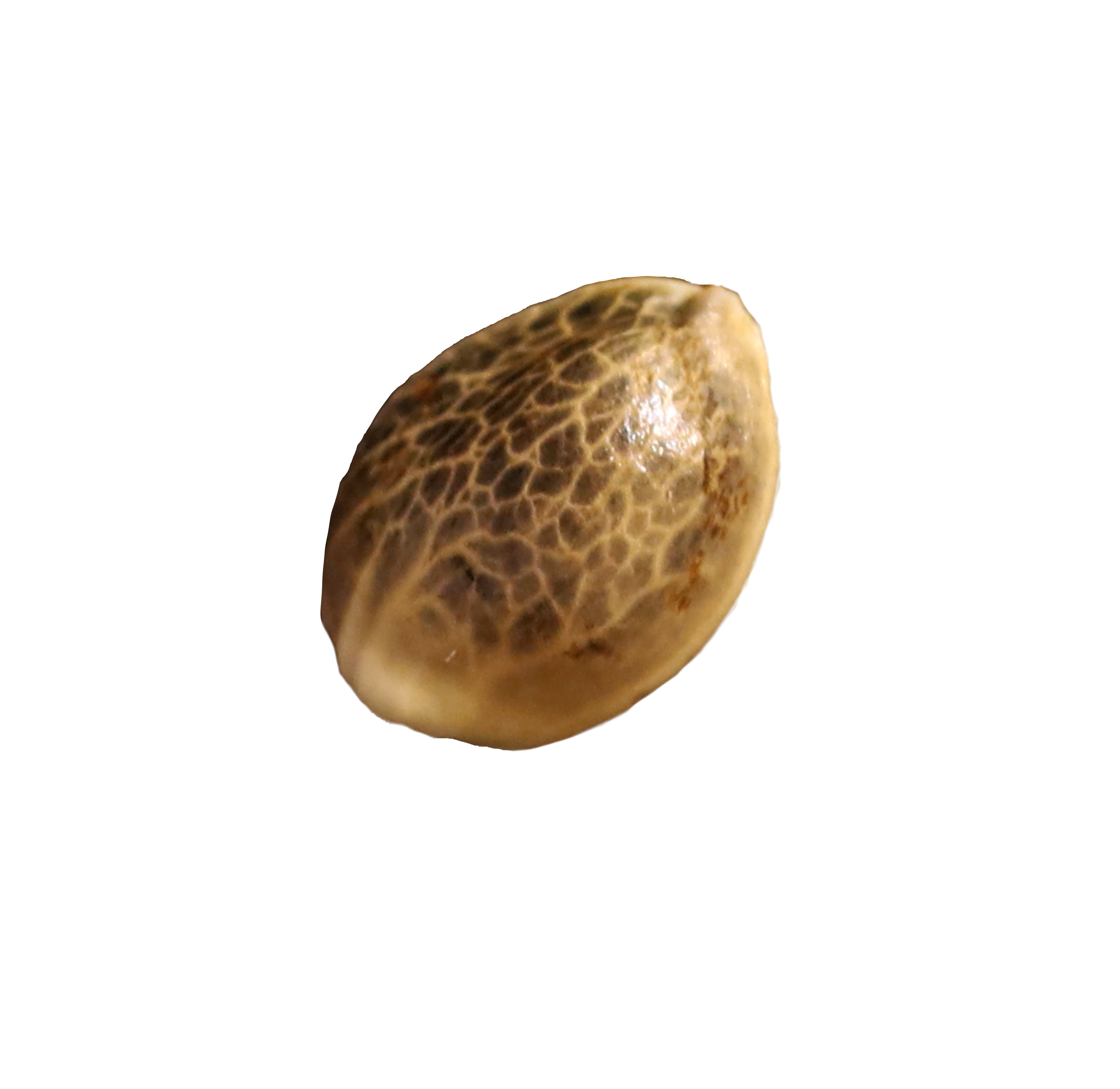
At its core, the genetic makeup of a cannabis plant establishes its bodily physical appearance, cannabinoid profile, terpene composition, and total development attributes. Each individual hashish pressure is a products of its genetic heritage, inherited from its parent crops by way of seeds. These seeds carry the blueprint for the plant’s improvement and finally affect its phenotypic expression.
Genetic Aspects Influencing Plant Traits:
Cannabinoid Profile:
Cannabinoids this kind of as THC (tetrahydrocannabinol) and CBD (cannabidiol) are the principal compounds accountable for the psychoactive and medicinal properties of cannabis, respectively. The genetic composition of cannabis seeds dictates the ratio of THC to CBD generated by the plant. Strains with large THC written content are normally affiliated with leisure use, although those with higher CBD levels might offer you therapeutic advantages devoid of the psychoactive results.
Terpene Composition:
Terpenes are aromatic compounds uncovered in many plants, such as hashish, and lead to its taste, aroma, and prospective therapeutic outcomes. The genetic makeup of marijuana seeds influences the production of diverse terpenes, foremost to a huge variety of flavor profiles and medicinal properties throughout different strains.
Plant Morphology:
The genetic attributes inherited from guardian crops determine the actual physical features of cannabis crops, like plant height, leaf shape, flower framework, and in general development styles. Some strains may show indica-dominant features, characterized by quick, bushy crops ideal for indoor cultivation, even though other people may well exhibit sativa-dominant traits, with taller, a lot more elongated plants suited for outdoor expansion.
Generate read review :
Genetic factors also participate in a position in deciding the produce likely of marijuana crops. Some strains are bred for large yields, creating bigger portions of flower for every plant, though many others prioritize top quality over quantity, yielding smaller but additional strong buds. Elements these kinds of as flowering time, nutrient specifications, and environmental adaptability are influenced by the genetic makeup of the seeds.
Selective Breeding and Hybridization:
The diversity of hashish strains readily available now is the result of selective breeding and hybridization procedures used by cultivators and breeders. By diligently choosing mum or dad vegetation with sought after characteristics and crossbreeding them, breeders can make new kinds with unique characteristics. Hybrid strains, which incorporate the genetic traits of distinct hashish versions, offer you a vast variety of flavors, effects, and expansion patterns customized to meet the numerous choices of people.
Genetic Balance and Phenotypic Variation:
Though genetics play a basic part in shaping the features of marijuana vegetation, it is critical to figure out that environmental factors also influence phenotypic expression. Even in just a one strain, variants in expanding circumstances this kind of as temperature, humidity, nutrient amounts, and mild exposure can direct to dissimilarities in plant morphology, cannabinoid profile, and terpene composition. On top of that, genetic steadiness can vary among the hashish seeds, with some strains exhibiting additional dependable attributes across various developing environments than others.
The Job of Genetics in Cannabis Study and Innovation:
Improvements in genetic sequencing and molecular biology have opened up new avenues for cannabis investigation and innovation. By unraveling the genetic code of cannabis plants, researchers can attain insights into the biochemical pathways accountable for cannabinoid and terpene manufacturing, as nicely as the genetic basis of attributes this kind of as ailment resistance and environmental adaptability. This understanding can tell breeding plans aimed at creating new strains with improved medicinal attributes, greater yields, and improved resilience to pests and illnesses.
Conclusion:
The genetic make-up of marijuana seeds serves as the basis on which the characteristics of hashish crops are created. From cannabinoid profile and terpene composition to plant morphology and generate probable, genetic components enjoy a critical position in shaping the various array of hashish strains offered nowadays. By comprehension the complexities of marijuana seed genetics, cultivators, breeders, and scientists can unlock new possibilities for innovation and discovery in the industry of cannabis science.
